
Løten Vicarage
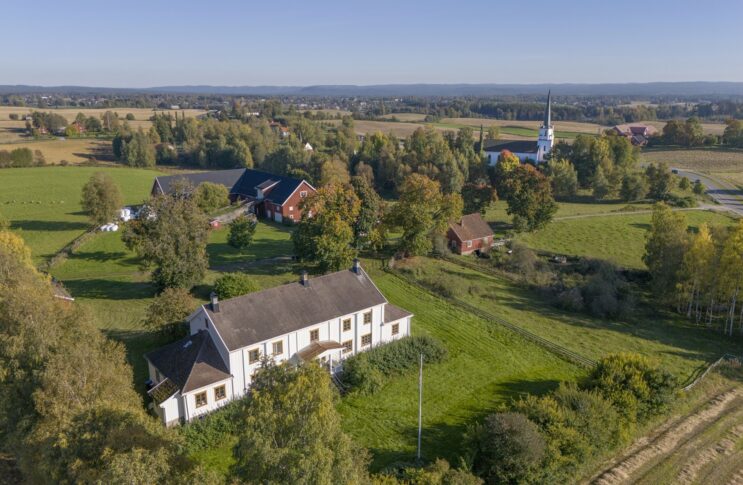
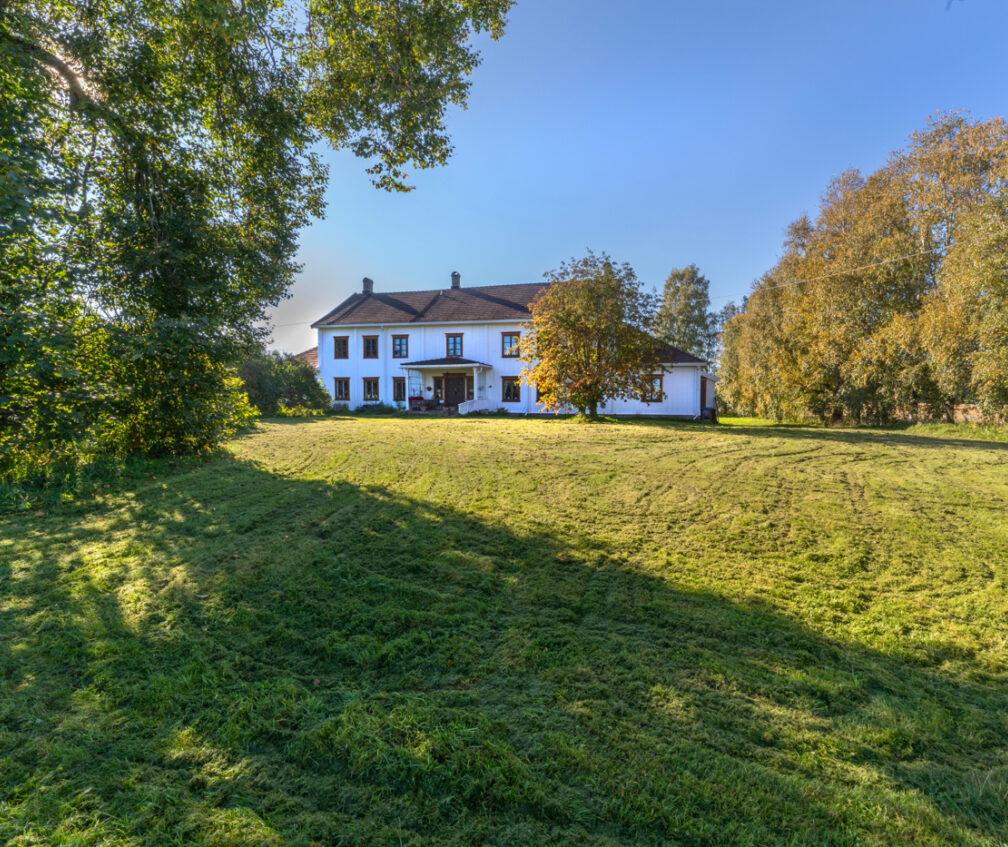
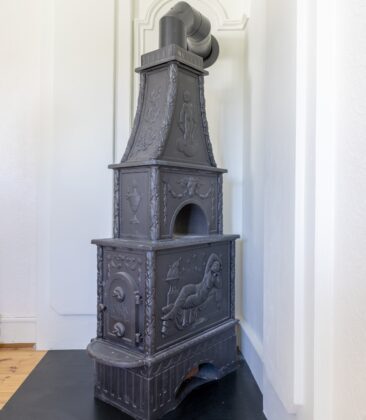
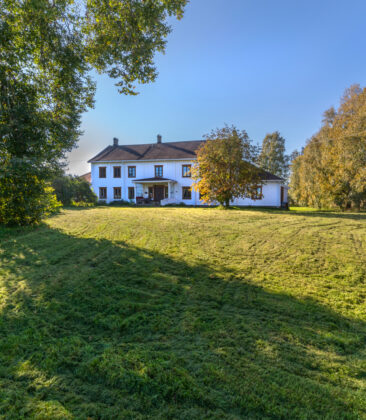
In the 18th century, the Løten farm was called Lautin and was one of the largest farms in the area. The main building is constructed of log timber, with a floor plan characteristic of estates belonging to civil servants. The core of the building may date from 1705, but major interior and exterior alterations have been made since then, in connection with changes of clergy. The open quadrangular courtyard contained a steward’s house (moved to Rømmen Østre), as well as a storehouse and farm buildings. The tenant farmer’s residence from 1706 has been moved to the Hedmark Museum. The vicarage was run as a model farm in the mid-19th century and in 1867 covered more than 1,000 mål, half of which was cultivated land. The vicarage’s location close to the church and its architectural details led to it being protected by the Directorate for Cultural Heritage in 1991.
The farm and the vicarage are separate units operated independently of each other. The farm is one of Allstad’s 16 leased farms and is managed from a long-term and holistic perspective. All the buildings at the vicarage represent important vicarage history.
People and memories
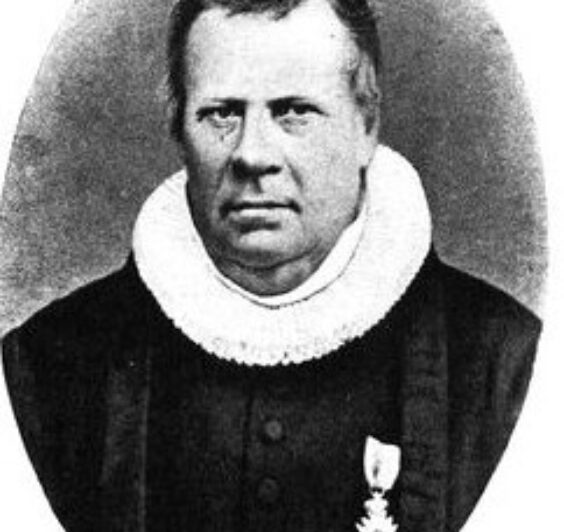
It was the priest Hans Jacob Schmidt, notorious for his great bulk, who built the main building. It is said that his large girth was his undoing, and he died at the vicarage in February 1814. At the same time as he lay dying in one of the rooms at the vicarage, King Christian Frederik, returning from Trondheim to Eidsvoll, arrived and spent one night in the southern bay window. Another priest known to have lived and worked at Løten was the Danish-born priest Peter Vogelius Deinboll. In addition to being a theologian, he carried out important insect and plant collecting. He collected a large number of plants when he was a priest in Vadsø, at Løten (1824–1832), and at Bolsøy when he served there. At Løten, he established a vicarage garden. Deinboll’s insect and plant collections have become part of the Natural History Museum in Oslo. The plant genus Deinbollia was named after him.
The Deinbollia genus includes several species that are well suited to gardening and landscaping, especially Deinbollia oblongifolia («dune soapberry») and D. grandifolia.