
Brunlanes Parsonage, Tanum
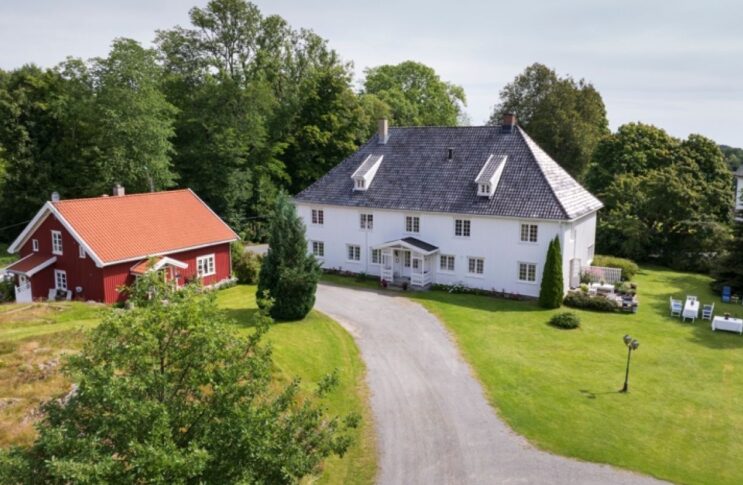
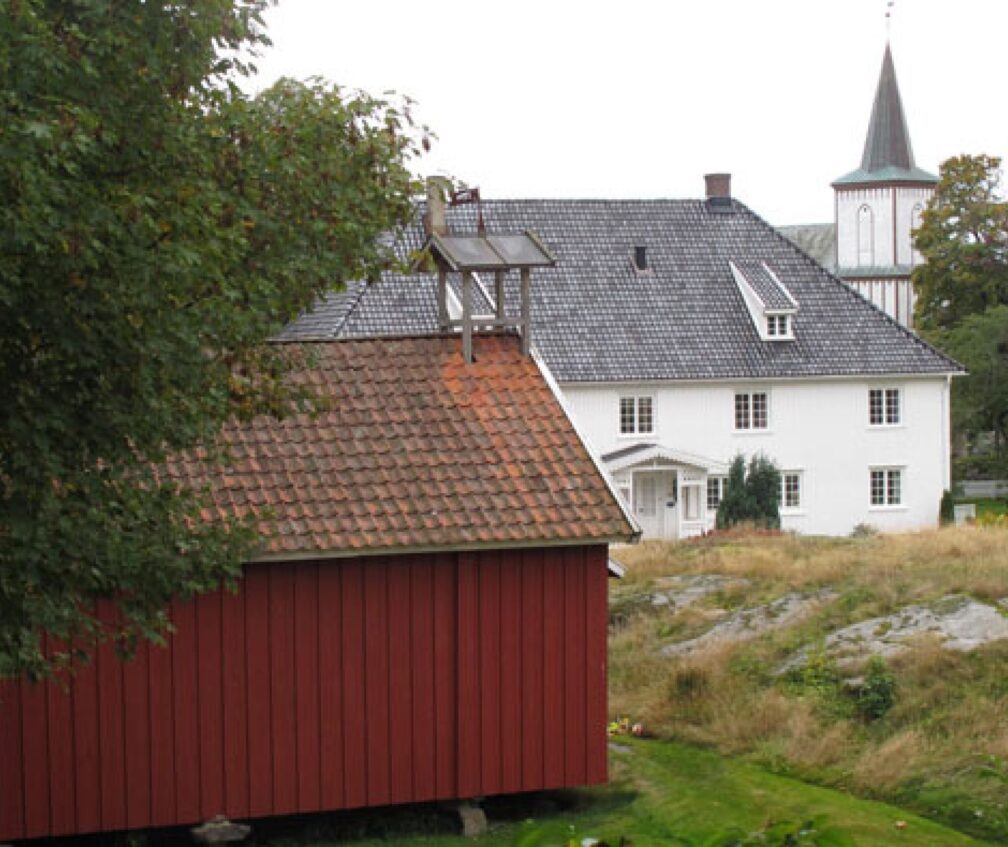
The parsonage is known as Vestfold’s oldest official residence. Construction had been supervised by County Treasurer Heegard, but had been halted several times for both practical and financial reasons. In 1767, the large and stately main building was completed with its hipped roof. The entire complex on the farmyard is a good example of a type of layout that could be seen at several of the country’s parsonages in the latter half of the previous century.
People and Memories
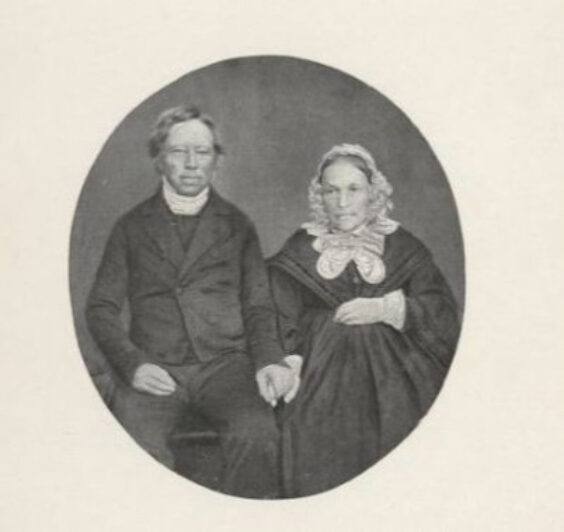
The parsonage is known as a beloved home of the author and pastor’s wife Hanna Winsnes, who, together with her husband, dean and Member of Parliament Paul Winsnes, served in the parish from 1830 to 1845. They came to Tanum after shorter periods of service at the parsonages of Nord Aurdal (Valdres), Hurdal, and Trysil. While the family, with eight children, lived at Tanum, Paul Winsnes was a Member of Parliament in addition to his duties as a pastor.
At the parsonage, Winsnes provided domestic instruction for young girls. In addition, she was inspired to write a novel, a number of articles, and short stories. At Tanum in Brunlanes, she began her writing career with crime novels under the pseudonym Hugo Schwarz. This was followed by A Household Book: A Textbook on the Various Branches of Housekeeping. It was published in 1845, after they had moved to Vang Parsonage near Hamar.
Hanna Winsnes died at Vang in Hamar in 1872, but the 15 years in Brunlanes were her most productive, both in literature and in the kitchen.
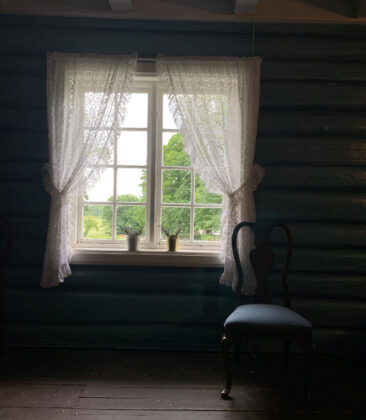
Allstad has installed geothermal heating in the parsonage and restored and relaid the floor so that it is in keeping with the rest of the style. The kitchen fireplace has been reinstated. The roof of the farm building has been rehabilitated.

The parsonage has five protected buildings grouped around an open quadrangular courtyard.
- The main building is a large, two-storey log structure with a tall hipped roof.
- The present tenant farmer’s residence was built around 1877.
- The log-built storehouse has a bell tower and was built in 1789.
- The farm building and the timber-framed cart shed were built in 1913. The potato cellar has been demolished.
In 1944, the parsonage had: 3 horses, 16 cows, one bull, 4 young cattle, 4 pigs, and 30 hens.
In 1990, the farm had 170 decares of cultivated land and 450 decares of forest.