
Eidanger Vicarage
The history of the vicarage
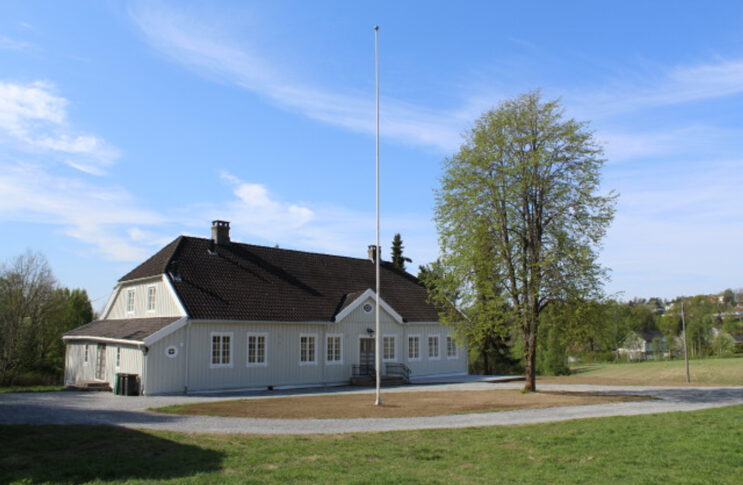
The main building at Eidanger was erected after a fire in 1818, and may possibly be founded on the basement walls of an earlier vicarage building. The parish priest Jacob Nielsen Mechlenborg is listed as the builder. He was a well-liked parish priest in Eidanger during the period 1808–1846.
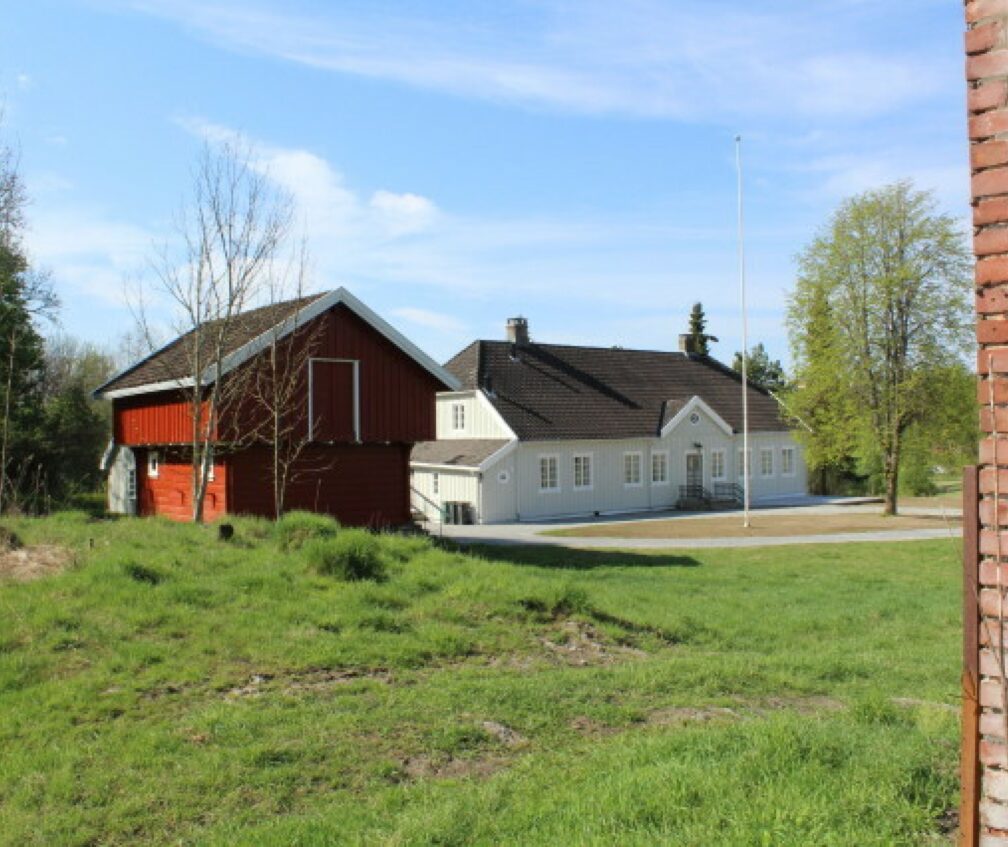
At that time, the floor plan included both a bishop’s room and a cabinet, which is considered an archive room. Since the bishop always had a permanent room when he came on visitation, it was traditional to have a separate guest room reserved for this purpose. The floor plan remained intact until the war; after that, there were periods when the interior was altered, and over the years the main building underwent several renovations to maintain contemporary standards. In 1961, it was reported that the old bishop’s room was cold, and it was insulated. The vicarage residence underwent extensive rehabilitation in 2016, when the storehouse and garage were also refurbished.
The operation of the vicarage today
The garden, which originally covered four decares, has also been cleared and upgraded. The total agricultural area is 72 decares and has been leased out for a long time. Since 2017, Andelsgården has cultivated parts of the land, and since 2021 it has been responsible for all agricultural operations.
The vicarage is located in an old cultural landscape, and the new activity on the vicarage land is of considerable local historical interest.
Good growing conditions
Eidanger Vicarage has plots where various vegetables are grown. The soil is well suited for this. It began with a community-supported farm in 2017 that has been under development and is now called Vicarage Gardens. The new tenants have built a new greenhouse from old windows and plan to erect a new barn on the site of the old cowshed. The buildings are being developed to adapt them to the new use of the agricultural land.