Lyngdal Vicarage

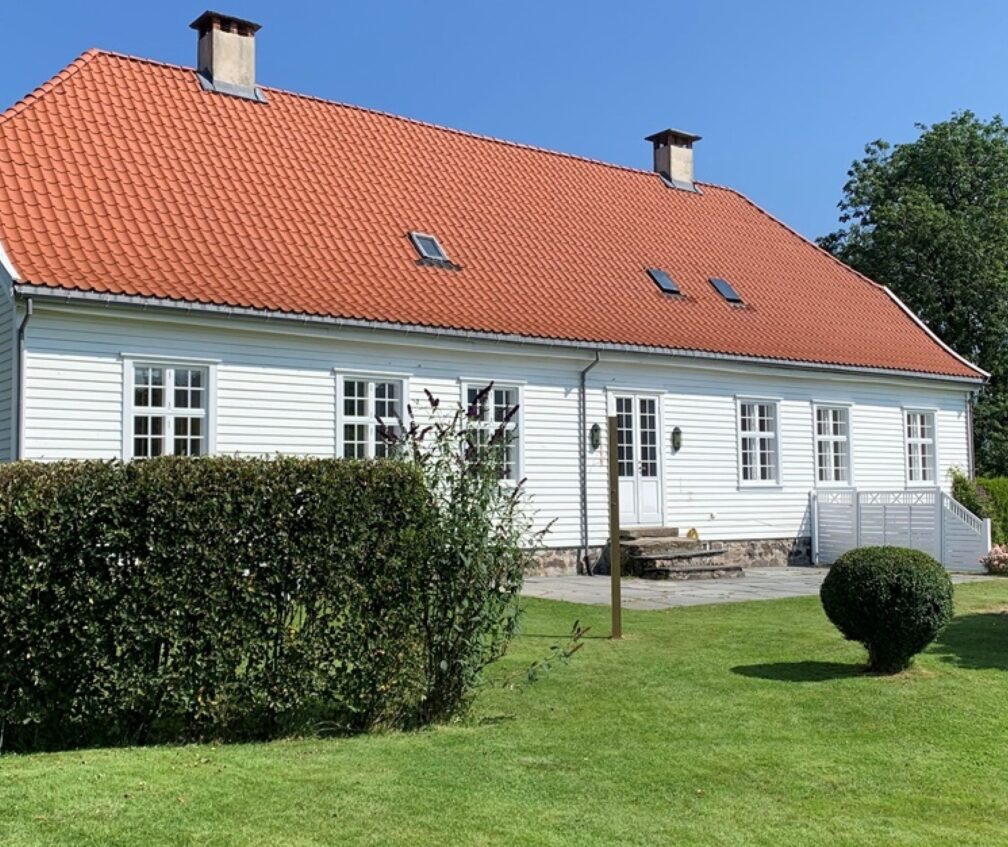
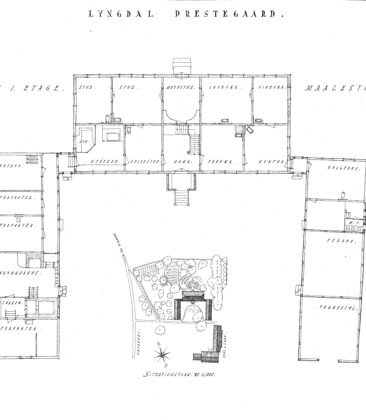
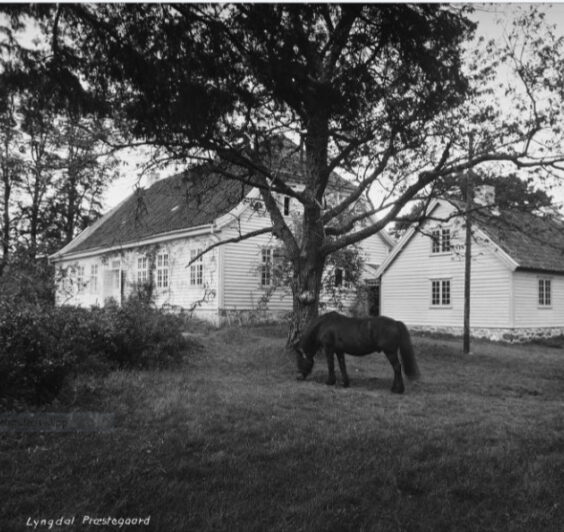
The vicarage in Lyngdal is centrally located by the Lygna River and Lyngdal Church. The vicarage, with two connected side wings, was built in 1838–40, commissioned by the newly arrived priest Gabriel Kielland. The floor plan was designed by architect H.D.F. Linstow, who designed the Royal Palace and several churches, but agricultural reformer Jakob Sverdrup was also actively involved, with the important aim of creating a rational floor plan for the farm's operation. One side wing housed the servants and the brew house (today the tenant farmer's residence), while the other wing was intended to contain outbuilding functions. Small buildings in the farmyard, such as storehouses, storage buildings and lofts, which were found on many farms, were to be avoided. With the new model, which had Danish precedents, the aim was to achieve rational and efficient operations. In addition, and not least, this design created a beautiful vicarage, which was an important requirement from the Ministry of Church Affairs, in addition to achieving a more unified architectural style for official residences throughout the country.
With its horseshoe-shaped layout, the vicarage in Lyngdal is the best-preserved example of this model.
Today
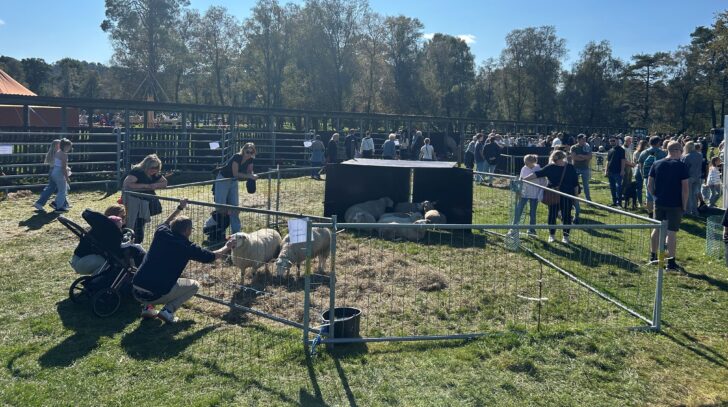
The vicarage has been restored in recent years and geothermal heating has been installed. The farm is managed from a long-term and holistic perspective as a tenant farm. The annual livestock show is held at Presteneset in early September. There is a livestock auction and a festival on the large vicarage grounds extending down towards the Lygna River.
Protected by the Directorate for Cultural Heritage
- Main building 1838–40
- East side wing
- West side wing
People and memories
Parish priest Gabriel Kielland was a leading figure in Lyngdal's temperance movement. His wife, Gustava Kielland, established the first women's association in Lyngdal in 1840, and following its example, the idea spread and countless missionary associations were established throughout the country. It is also said that the Christmas tree and Christmas traditions first took root at the vicarage before spreading to many other places. Gustava had a talent for writing and was able to make time for it despite having a large number of children. This was made possible by a large staff who ran the farm. In addition to her extensive work for the missionary cause, she wrote the well-known Christmas song “O Christmas, with Thy Joy” and the children's song “Little Squirrel Sat”