
From Farm to Urban Development
Article from the magazine "200 Years in the Service of the Community".
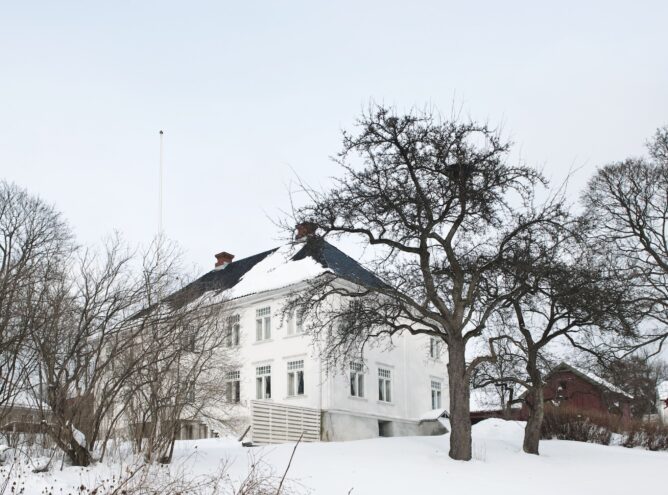
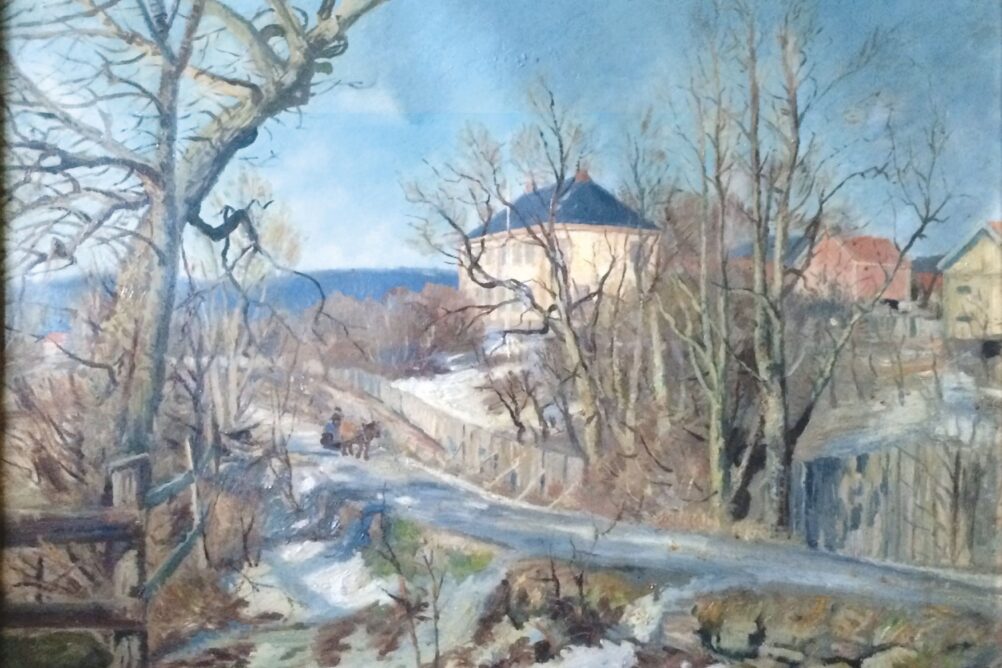
A hundred years ago, one could look freely and openly out over fields and meadows from
the windows of the old parsonage
in Vestre Aker. Today, it can almost
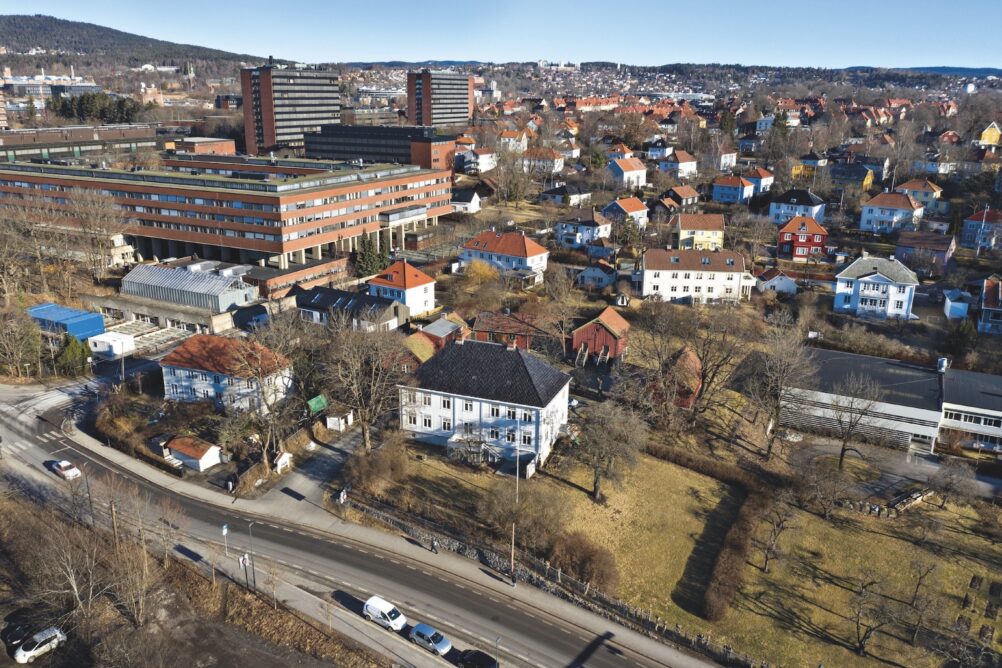
be difficult to catch sight of the parsonage itself, situated at Blindernveien 19, right behind
the Broadcasting House. Most people who walk
past are probably heading towards the university at
Blindern.
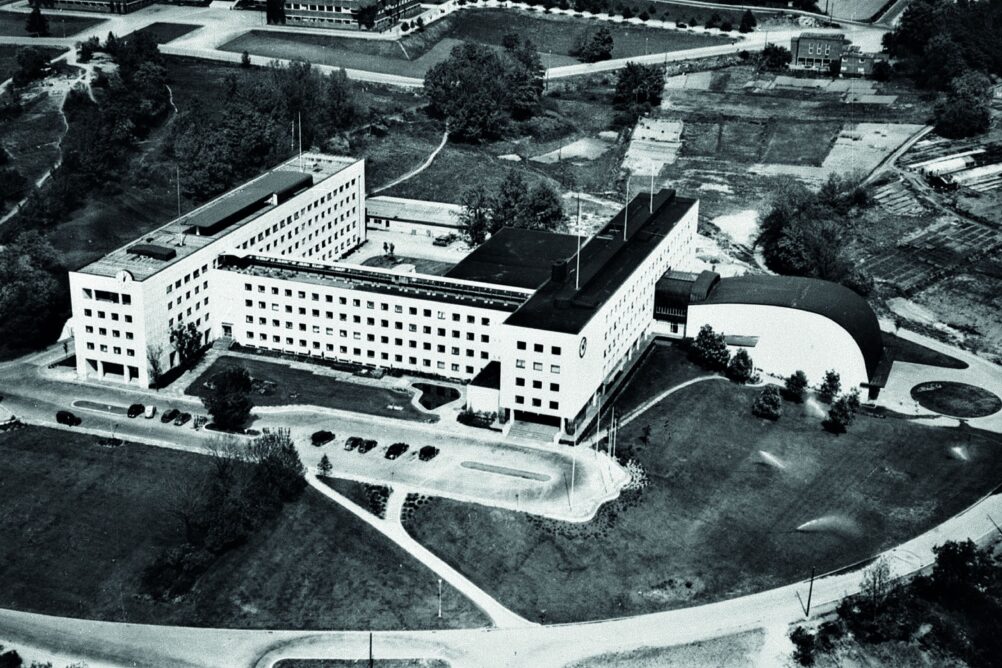
The area that in the 19th century lay just outside Christiania is today a central part of the capital. Marienlyst and Blindern were once fields belonging to Vestre Aker parsonage; today, the names are closely associated with NRK at Marienlyst and the University at Blindern, respectively. And development continues. Marienlyst is an attractive prime location for residential and commercial development when NRK moves out in a few years.
In addition to areas on the north side of Blindernveien, OVF also owns approximately 10 decares of the planning area that includes NRK’s property on the south side of Blindernveien. Here, OVF will help ensure that the visions for the area are realised. Over time, the entire area will be transformed into Norway’s first innovation district. Through its adopted campus strategy and participation in the organisation Oslo Science City, in which the University of Oslo is also a central actor, the City of Oslo has established a clear desired direction for the development of this area. As a significant landowner in the area, OVF, through its wholly owned subsidiary Clemens Eiendom, collaborated with the University of Oslo on a feasibility study for Blindernveien as a future knowledge street.
Centuries of Development
When Vestre Aker Church was completed at the Kalvehaugen viewpoint in 1855, it became important to find suitable official accommodation for the priest. The choice fell on Nedre Blindern Farm, which was within walking distance of the church. The farm was known through Halvor Blindern (1743–1804), who, according to sources, was the first farmer in Eastern Norway to grow potatoes and other garden produce and hops, keep bees, and become a pioneer in agriculture and horticulture.
He had managed to merge Upper and Lower Blindern and had built the two-storey residence in the Baroque style, with a hipped roof and sturdy materials. Some believe this happened in 1760, while others date it thirty years later. He was so fond of the property that he obtained royal permission to establish a private burial site for himself and his descendants on the estate. The burial site can still be found on the hill at the address Halvor Blinderns plass.
The Adventure Priest from Ringerike
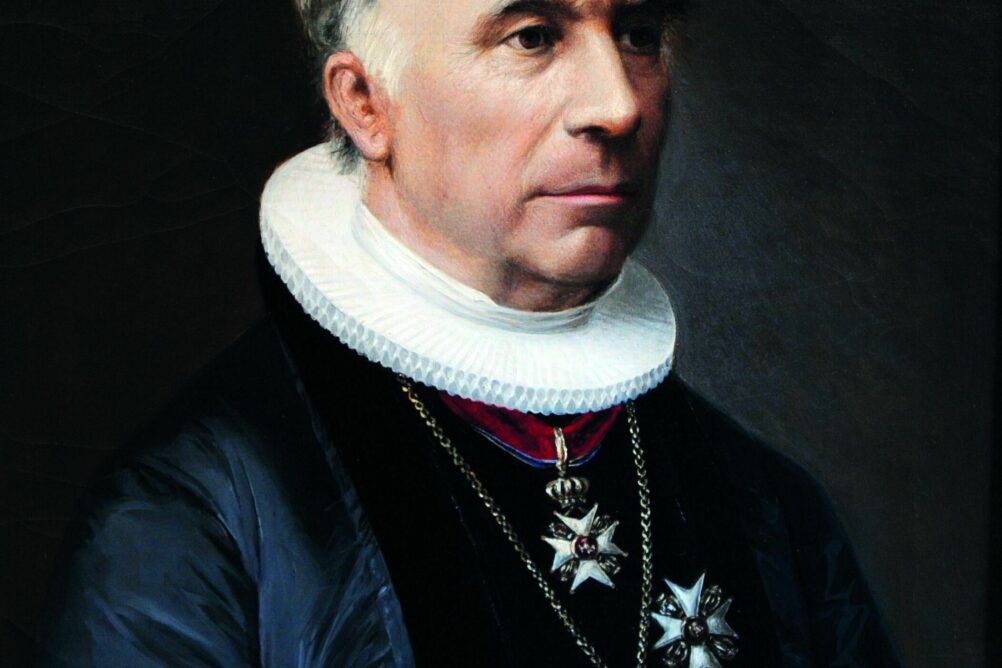
In a row there were sitting rooms, a parish office, and guest rooms. There was a separate kitchen entrance for the servants, a pantry, and a serving room. One priest who moved straight into this residence was Jørgen Moe, from the Moe farm in Ringerike. Before he took his examination and began serving as a priest, he was a teacher at the Norwegian Military Academy and had collected fairy tales, folk songs, and legends.
His collaboration with Peder Christian Asbjørnsen led to books of Norwegian fairy tales. His background and experience made him a good speaker and a popular priest. “I have preached to an overflowing church and I am tired,” he wrote in a letter in 1871.
A New Adventure at Blindern?
For Jørgen Moe, the development of today’s Blindern would probably have seemed like a far-fetched fairy tale. The tenant farmers and domestic staff have moved out. The priests have done the same. The residence, which for generations housed priests serving Vestre Aker Church and later the Bishop of Oslo, is now rented to an external tenant while awaiting the next step in its development. The residence is protected, the courtyard and large garden remain intact, and perhaps new adventures await as OVF and its subsidiary Clemens Eiendom consider new opportunities for the stately old property.