Hunting and fishing
Allstad’s management of outlying land:
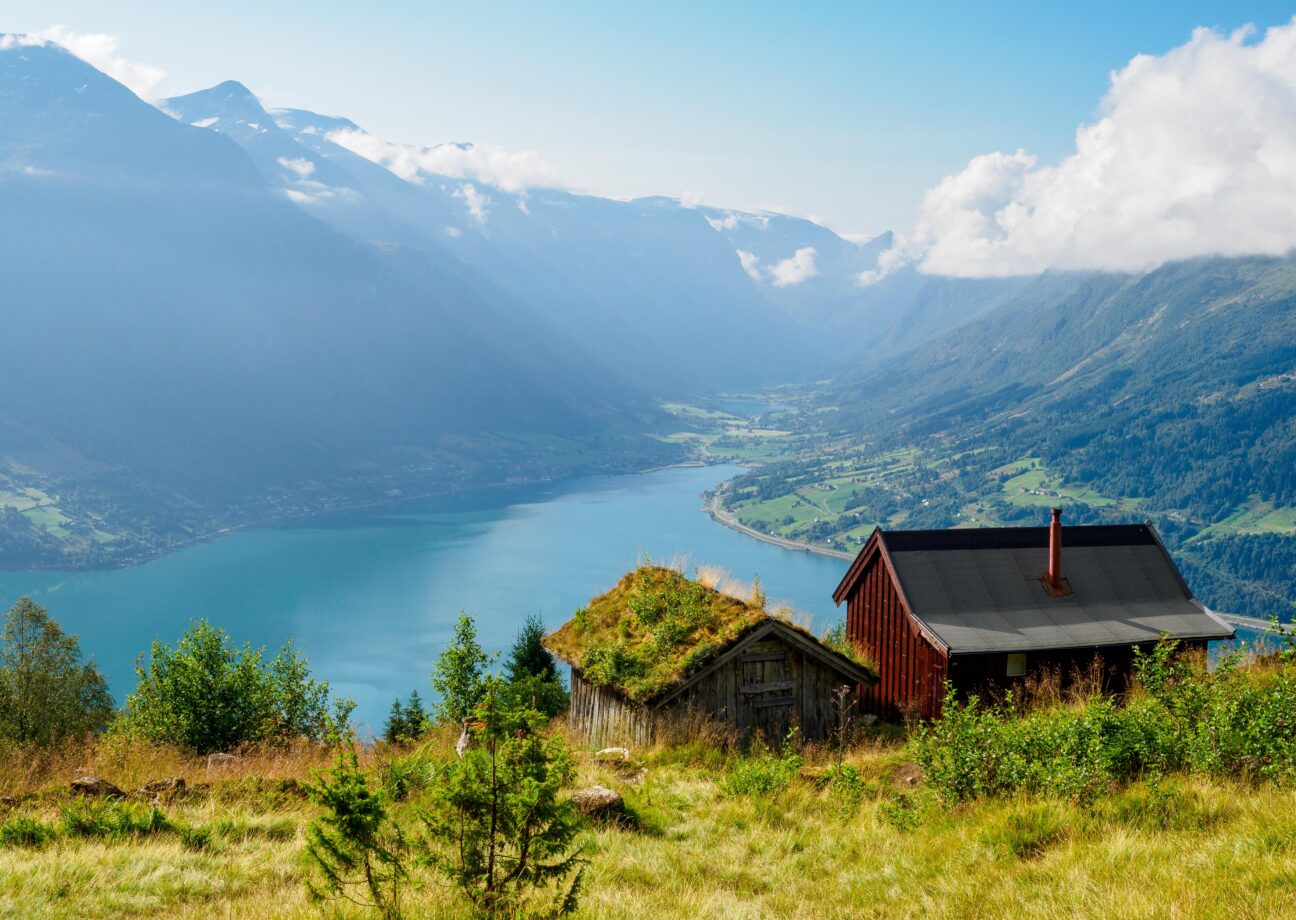
Allstad is one of Norway’s largest landowners, with property in around 300 municipalities, where forests and outlying land together cover approximately 900,000 decares. All forests and outlying land are accessible to anyone who wishes to spend time in nature. You can cycle, swim, pick berries, go skiing or camp wherever you like, as long as you comply with the right of public access. Nature and experiences in nature are for everyone. Enjoy your trip!
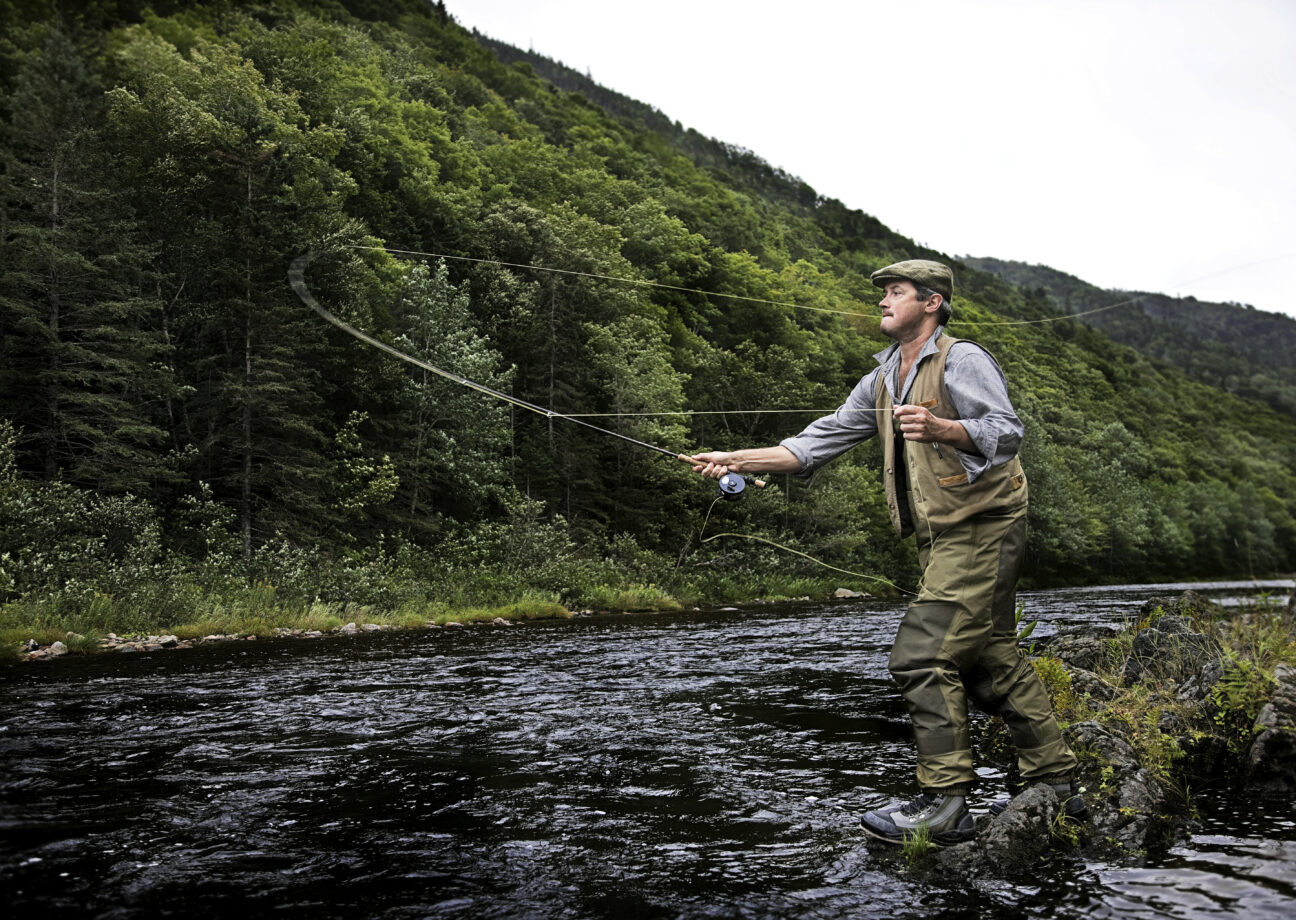
Allstad has entered into agreements under which we lease out most of our salmon fishing rights to local hunters’ and anglers’ associations throughout Norway. They manage the watercourses and sell fishing permits to the public. In terms of price, the fishing permits are at the same level as permits in Statskog’s areas, and are available to everyone – including those who are not members of the association in question.
It is important to us that fishing permits are generally available, so permits for areas that are not managed by a local hunters’ and anglers’ association are sold through the iNatur portal.
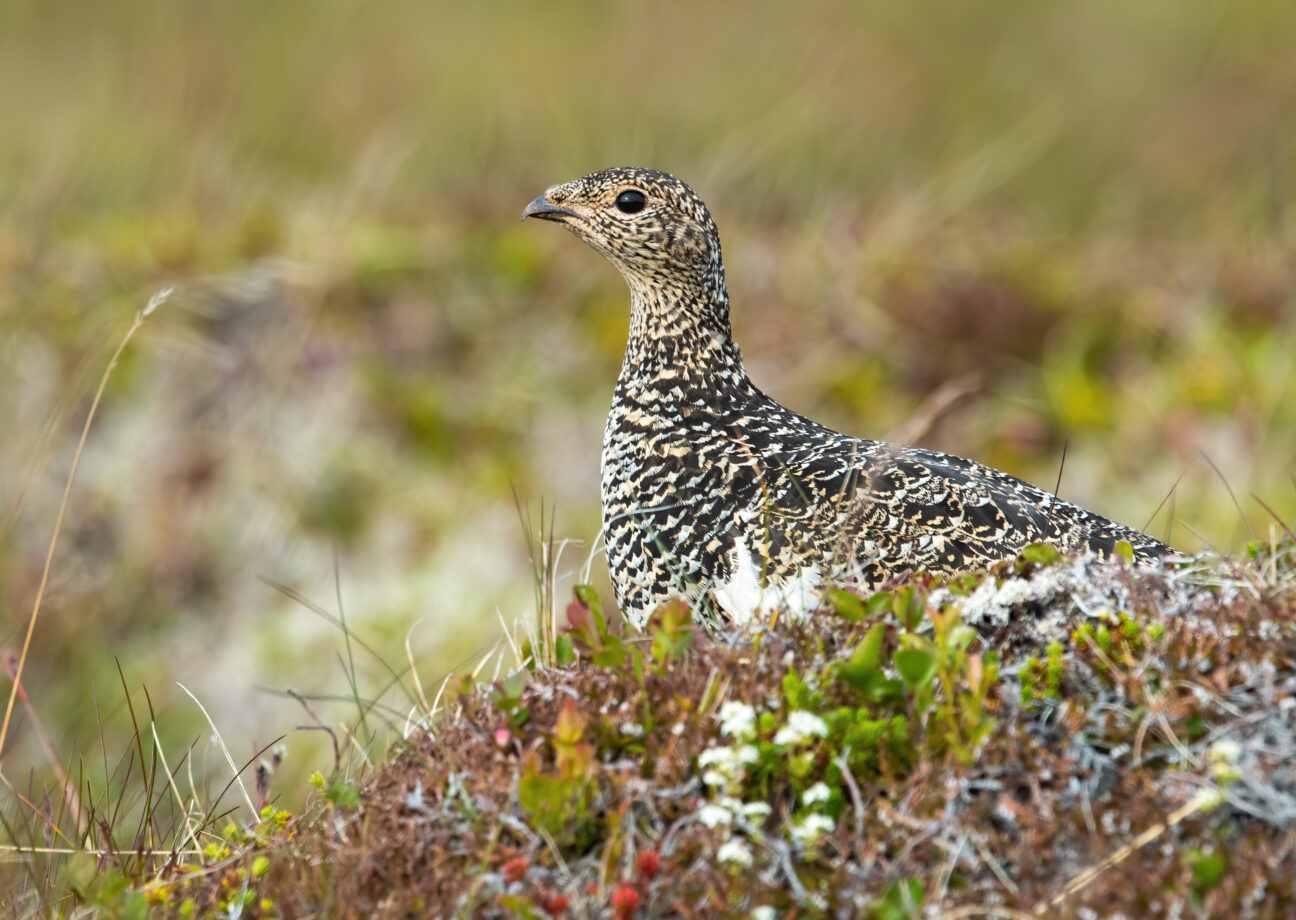
Many of the hunting rights in Allstad’s forests and outlying land are leased to local hunters’ and anglers’ associations or are included in local landowners’ associations. Other areas are made generally available through the iNatur portal.
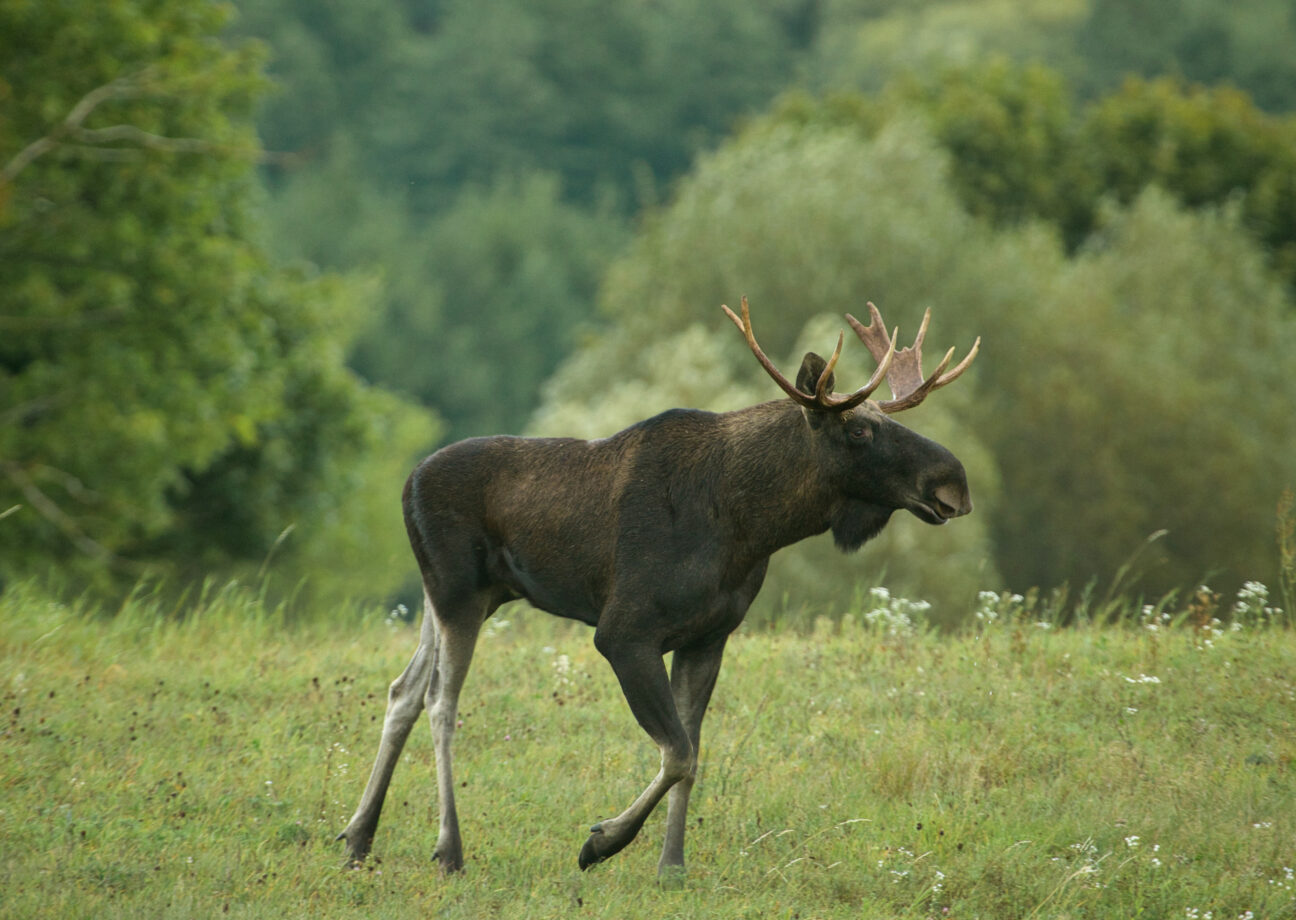
To hunt big game, such as moose, you must have a quota associated with a hunting district. A hunting district is an area large enough for a culling permit to be issued within that area. Each municipality determines how large an area must be to constitute a hunting district. An overwhelming majority of Allstad’s properties are too small to have their own hunting districts for big game. The quota determines how many animals of each species may be culled within a hunting district. This is determined by the municipality and is based on counts and statistics. Ensuring that the correct number of animals are culled is important for wildlife management. Therefore, the Wildlife Act requires landowners whose properties are too small to form their own hunting districts to cooperate with neighbouring landowners in order to form a district together. Many of Allstad’s properties are too small to form their own districts and are part of such landowner cooperatives. In these landowner cooperatives, access to hunting and the distribution of quotas are decided jointly by all the landowners.
Animal welfare is important. Local knowledge is useful when it is necessary to search for an injured animal. With the ever-increasing challenges associated with extreme weather, it is also useful to have people with local knowledge manage hunting and fishing. A storm can topple trees, and heavy rainfall can cause rivers to change course and damage forest roads. Local hunters and anglers with good knowledge and a vested interest can take action to prevent more extensive damage and notify Allstad’s local managers of damage that needs to be repaired. Therefore, Allstad’s managers with good local knowledge, together with cooperation with many local hunting and fishing associations, are important.