
Our Parsonages
Allstad manages the history of parsonages and has around 140 parsonages and 600 small and large buildings associated with vicarages and parsonages throughout the country. Some are protected farm complexes, while others are homes in more recently developed residential areas. Here you can read more about them.
Inland
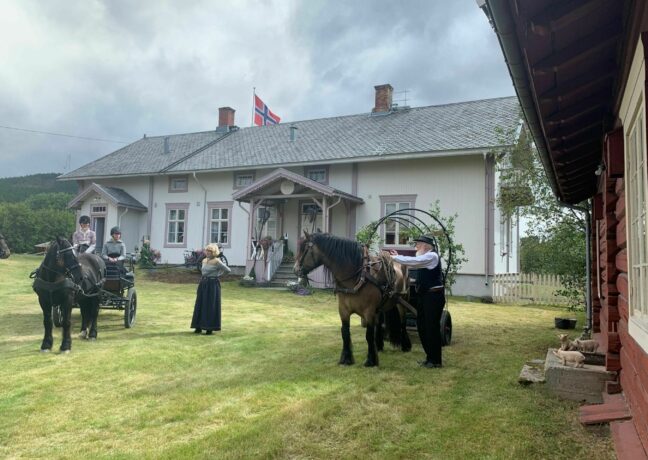
Alvdal Parsonage
Alvdal Parsonage is located close to the centre of Alvdal. The farm was originally called Lillesteien, but when it was purchased as a parsonage in 1865 to serve as the vicar’s residence, it was given the name Alvdal Parsonage. The exterior of the building is in the Swiss style, with broad roof overhangs and small windows beneath the eaves.
Read more about Alvdal Parsonage

Akershus
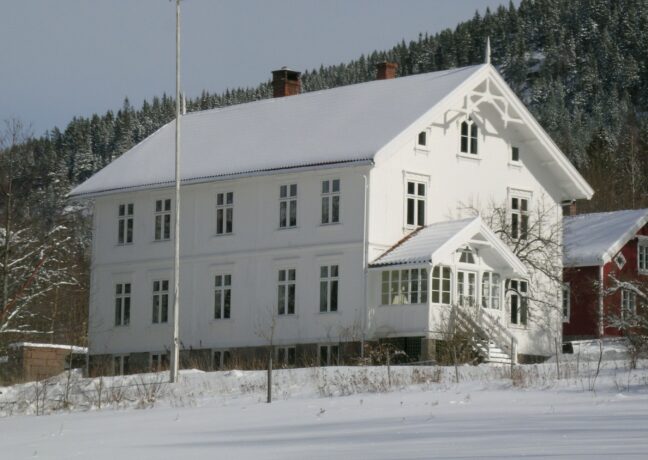
Asker Vicarage
Asker Vicarage is located just northeast of Asker Church from 1879 and has been maintained since pre-Christian times. The old name of the farm was Røyrvin. Several ancient monuments are located in the immediate vicinity, and the farm has been the residence of priests since the Middle Ages. The vicarage was a hub on the old route between Drammen and Oslo.
Read more about Asker Vicarage
Vestland
Askøy Chaplain's Residence, Herdla
The chaplain's residence at Herdla in Askøy Municipality is also called Herdla Chaplain's Residence. The residence was built in 1874.
Read more about Askøy Chaplain's Residence, Herdla
Møre og Romsdal
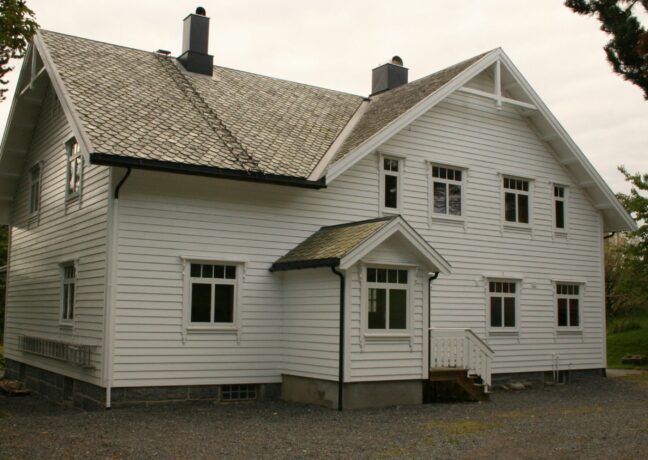
Aukra vicarage, Aukrasanden
Aukra vicarage is located on the island of Gossen, nearly 200 metres from Aukra Church. The old Aukra vicarage was demolished in the summer of 1907, and the current main building stands on the same foundations. The vicarage has been renovated and its standard has improved over the years, particularly in connection with changes of parish priests. A major renovation was carried out in 1974, when new sanitary facilities were installed. Since it was built in 1909, the vicarage has been the official residence of the parish priest in Aukra.
Read more about Aukra vicarage, Aukrasanden
Agder
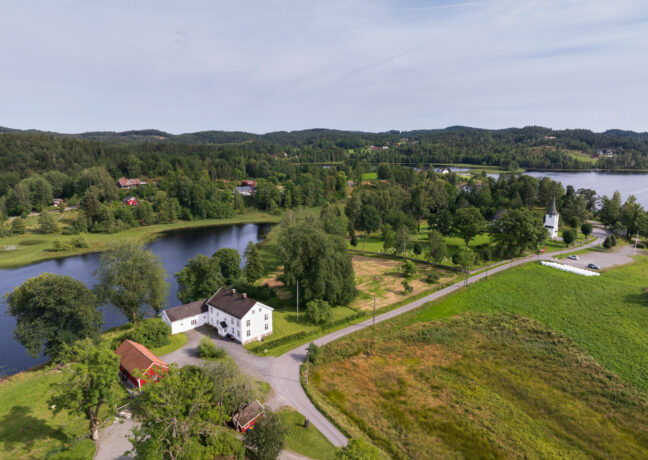
Austre Moland Parsonage
Austre Moland Parsonage is often simply called Moland Parsonage. It was built around 1870 and borders the cemetery and Austre Moland Church.
Read more about Austre Moland Parsonage
Vestland
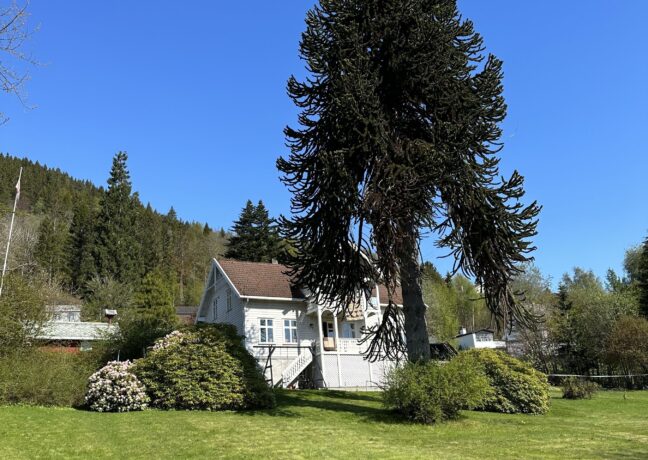
Balestrand Parsonage, Tjugum
Balestrand Parsonage is also known as Lunde Parsonage. The parsonage grounds lie on a sloping hillside around 500 metres from the church. The residence was built in the late Empire style in the 1840s, but was converted into a Swiss-style villa in 1892, in keeping with the fashion of the time. The location of the church and parsonage is a good example of how people in earlier times viewed the fjord as a route of travel. In the past, the route was by rowing boat across the fjord, as the distance from Balestrand centre across the fjord was only 450 metres, and the path up to the church was around 250 metres. Today, when people use cars, the drive from Balestrand to Tjugum is around 8 km.
Read more about Balestrand Parsonage, Tjugum
Møre og Romsdal
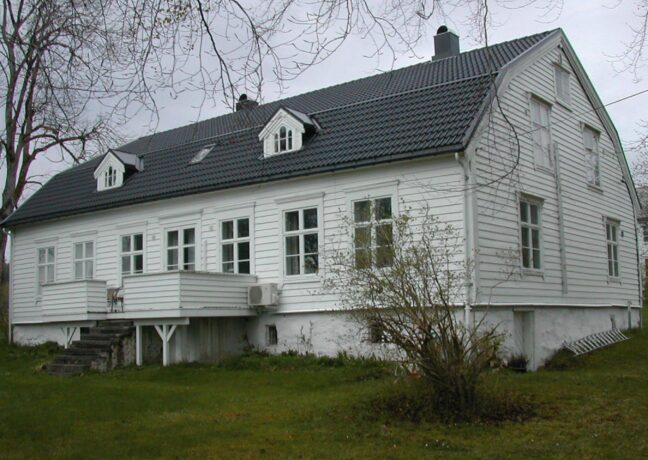
Bolsøy Vicarage Residence at Røbekk
Bolsøy vicarage dating from 1840 is located in Røbekk, a small settlement near Molde. The farm was purchased as a vicarage in 1860 after Bolsøy became its own parish and was separated from Veøy a few years earlier.
Read more about Bolsøy Vicarage Residence at Røbekk
Vestland
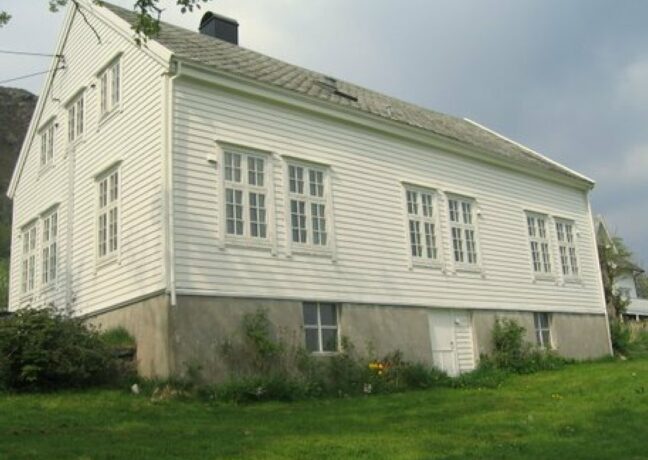
Bremanger Parsonage, Kalvåg
Bremanger Municipality is located in Nordfjord in Vestland County and consists of both mainland and islands. The municipal administrative centre is Svelgen, but Bremanger Parsonage is located in Kalvåg on the island of Bremanger. The house, dating from 1866, is a log-built, one-and-a-half-storey building. The renowned painter Nicolai Astrup was born in the house as the son of the parish priest.
Read more about Bremanger Parsonage, Kalvåg
Vestfold
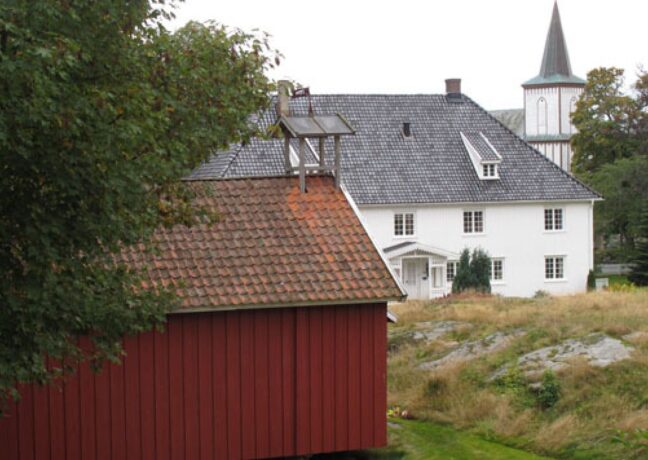
Brunlanes Parsonage, Tanum
Tanum Parsonage is located in Brunlanes in Larvik Municipality, close to Tanum Medieval Church, and is today Vestfold’s oldest preserved official residence. It is also called Brunlanes Parsonage.
Read more about Brunlanes Parsonage, Tanum
Inland
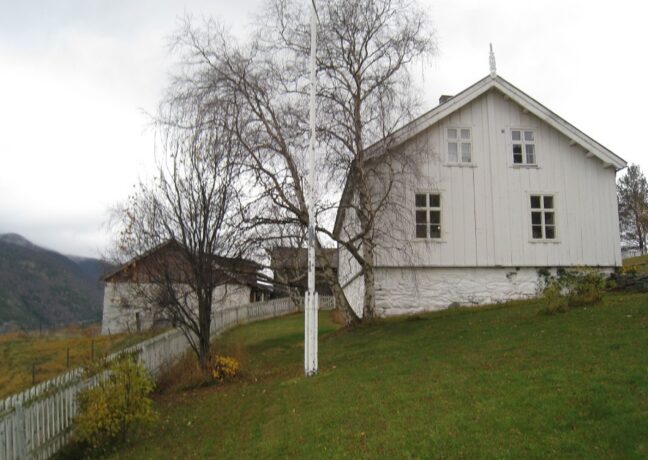
Dovre Parsonage
The parsonage is situated high up on the mountainside north of the church. The farmyard, with several old buildings, represents cultural heritage and the built environment high in the mountains, 500 metres above sea level. The farmyard, with its five buildings, has a protected exterior and, together with Tofte farm, plays a very important role in the overall cultural environment. It is a coherent, elongated farmyard of great cultural and historical value. It was not until Dovre was separated out as its own parish in 1860 that a separate parsonage was established here. Skjelstad farm was suitable. It had buildings and agricultural land that could provide a good livelihood for the parish priest. The current buildings on the farm are said to have been built after the main residence was completed; the barn, stable, cowshed and storehouse were built before 1899. The parsonage had its own summer pasture farm in Einbuggdalen.
Read more about Dovre Parsonage
Telemark
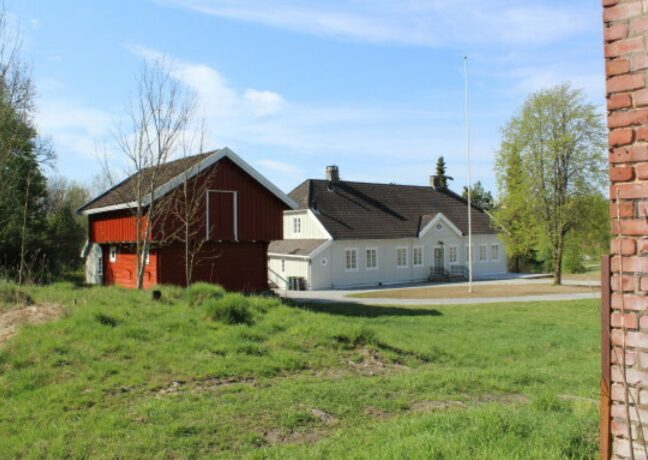
Eidanger Vicarage
The main building of Eidanger Vicarage was erected after a fire in 1818. The core of the house may consist of older building components. Much indicates that the basement walls of the present residence are founded on an older and previously existing main building on the same site. Jacob Nielsen Mechlenborg is listed as the builder. He was a well-liked parish priest in Eidanger during the period 1808–1846.
Read more about Eidanger Vicarage