
Women at the Parsonage
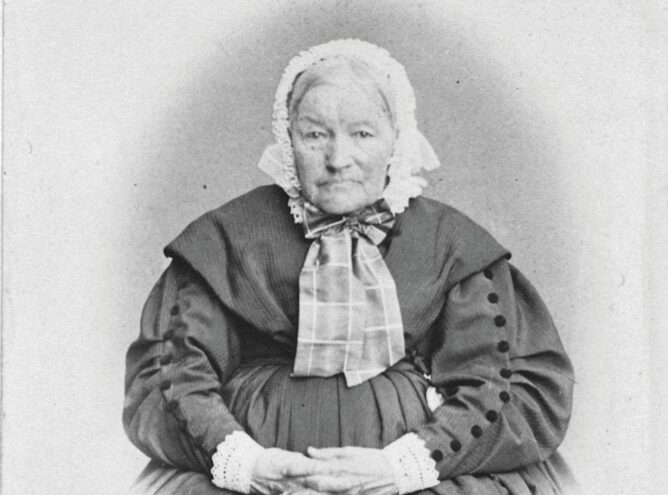
Hanna Winsnes was a pastor’s wife in the upper echelons and married to the clergyman and Member of Parliament Paul Winsnes. From Tanum Parsonage, she wrote about plucking hens, sweet rolls, mutton stew and princess pudding. She had eight children, maids and her hands full, but she was able to delegate responsibility. At the parsonage, she began work on her best-known book, which was published in 1845, Lærebog i dei ulike Grene af Huusholdningen.
A large official residence such as Tanum also had many jobs for women. Here one encountered maids, parlour maids, kitchen maids, dairymaids and governesses. Several women at the country’s parsonages were not recognised in their own time, and many had to struggle against traditional attitudes towards women’s place in society. We know that pastors’ wives played an important role as community builders and bearers of culture. They were pioneers in opening the way for women to enter new professions and roles in our own time.
1716
As the pastor’s wife in Norderhov, Anna Colbjørnsdatter became known for her efforts during the Great Northern War, when she plied Swedish soldiers with alcohol so that Norwegian forces could win a decisive battle that influenced the subsequent course of the war.
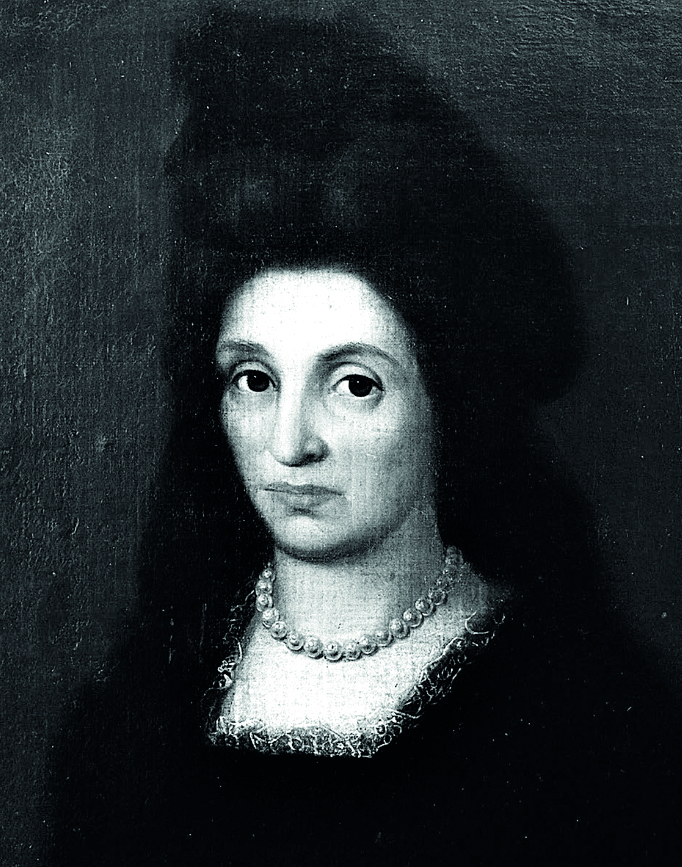
Painting: unknown artist, from Norderhov Church
1838
Gustava Kielland came to Lyngdal in 1838 with her husband, the clergyman Gabriel Kielland, and a large group of children. Fellowship among women and missionary work were close to her heart. She was also a poet and wrote, among other things, the Christmas song «O Christmas, with your joy».
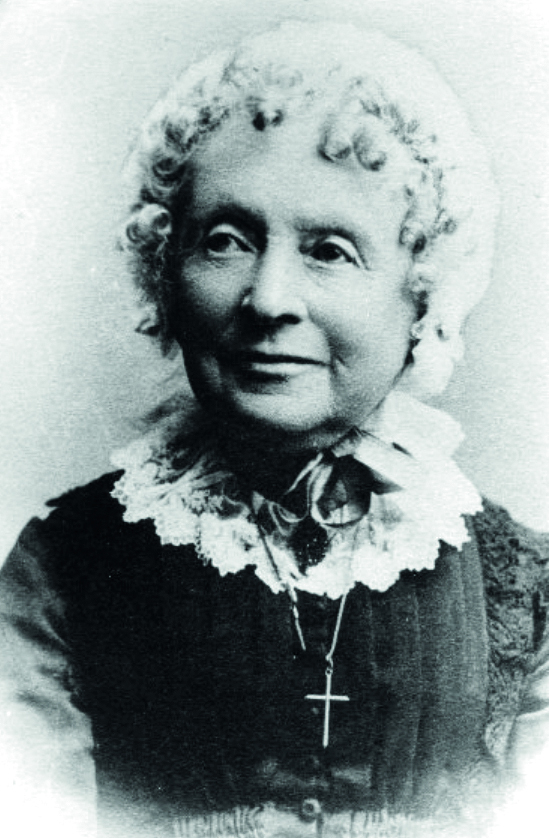
Photo: unknown
1845
Hanna Winsnes was married to the clergyman and Member of Parliament Paul Winsnes. She worked at many different parsonages, but at Tanum Parsonage she wrote her best-known book, which was published in 1845.
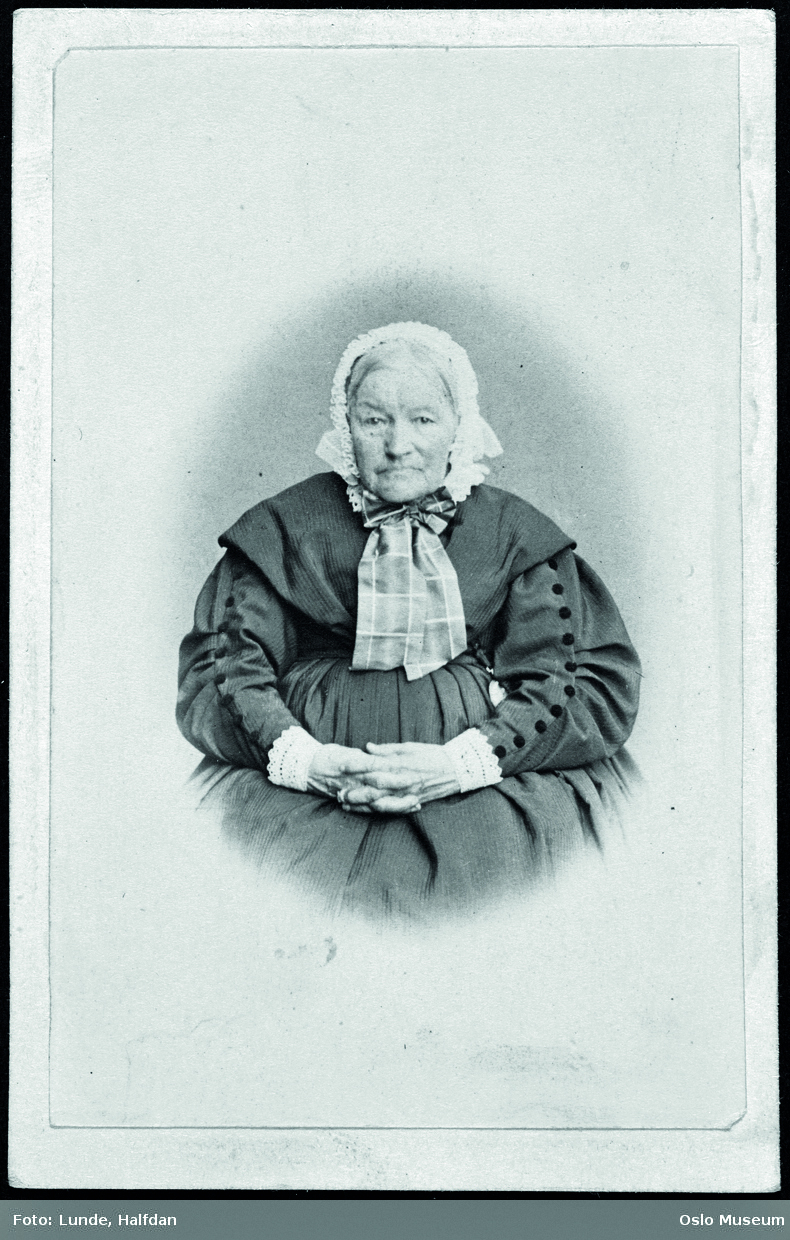
Photo: Digitalt Museum
1862
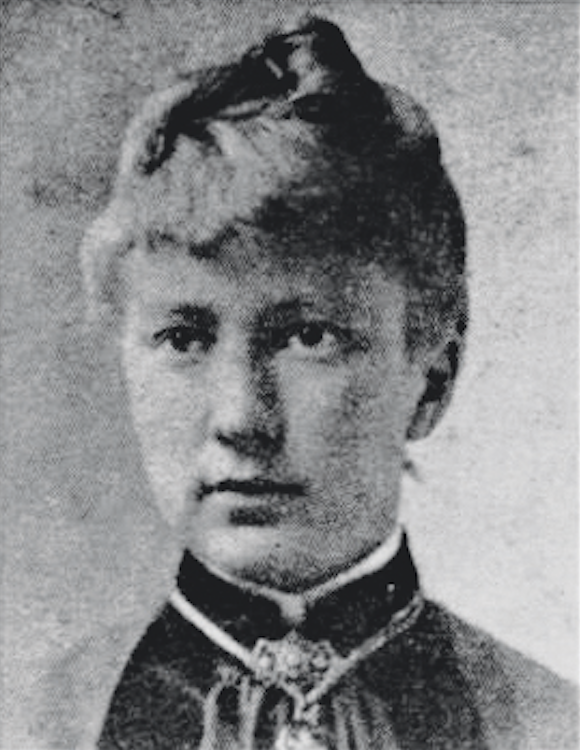
Alette Marie Helga Henriette Heyerdahl was born in 1862 at Senja’s old parsonage. She was a pioneer among women who pursued higher education, becoming the first woman to study theology.
1951
Margarethe Wiig, a pastor’s and bishop’s wife, developed the first Sámi ABC in Karasjok, which came into use in primary schools in Finnmark in the 1950s.
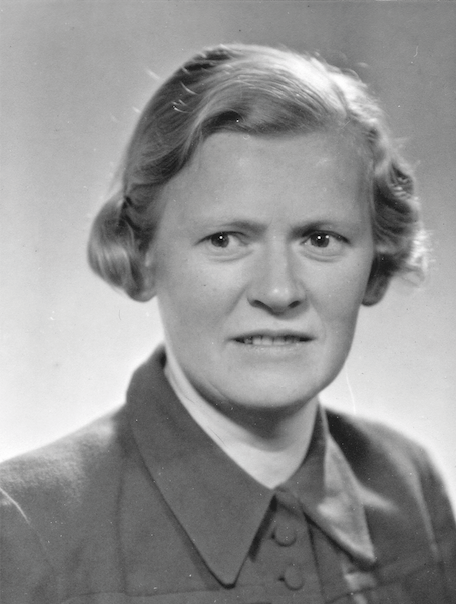
Photo: Nord Museum
1961
Ingrid Bjerkås came to Senja parish after being ordained as Norway’s first female priest in 1961.
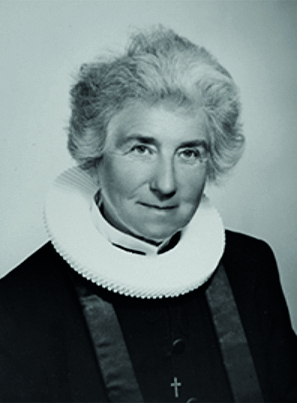
Photo: National Archives