
Schoolchildren gain a new sense of achievement at Solum Vicarage
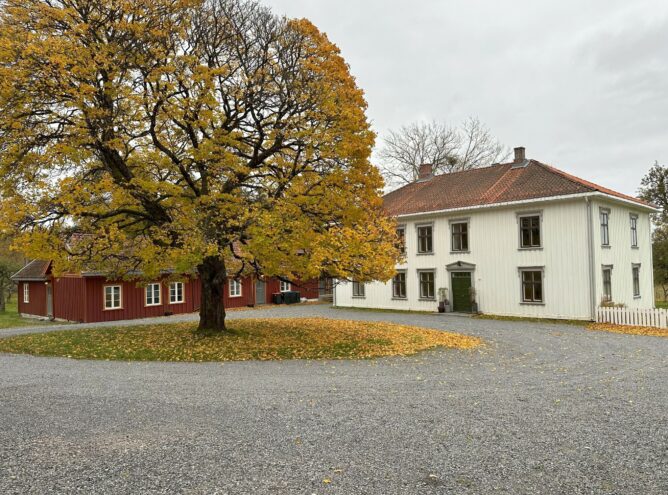
The programme at Solum is aimed at primary and lower-secondary pupils facing challenges related to everyday school life, who at the school farm can experience a sense of achievement within different settings than those they encounter at their local school.
The vicarage near Porsgrunn has the right setting for a school farm project. It is a large and beautiful vicarage with a history, a pleasant and spacious farmyard surrounded by a large barn and several outbuildings, as well as a garden, open countryside and walking areas.
– With good cooperation and support from adults, the pupils experience acceptance, belonging and a sense of achievement through various workshops and activities here. This is something many of them have lacked, says Morgan Sørensen. He has extensive experience working with children and young people, and sees how children aged 8–12 flourish when the conditions are right. – The fact that we have several animals on the farm is important in creating a sense of security and joy – and predictability, says Morgan.

A school farm is a supplement
– The school farm project is a supplement to the public school system, intended to prevent pupils from dropping out. It is not an alternative, emphasises educational leader Elin Bjerketvedt. The pupils spend one day a week at the school farm. Otherwise, they attend lessons in their own classes at their schools. In total, 48 pupils from ten schools in Porsgrunn municipality have been offered a place through the school farm project. The project is based on positive experiences from Abildsø School Farm in Oslo dating back to 2006. The school day begins at 9 a.m. and ends at 1:30 p.m. – The day begins when the shared taxi drives into the vicarage courtyard. We eat breakfast together and learn how to make packed lunches, which many are not used to, Morgan explains. – Our workshop groups are also important. The pupils rotate between food, theatre, carpentry, art and media groups. In addition, there is various farm work and practical tasks.
– We have good cooperation with the school and the pupils’ homes. Pupils who are struggling can be offered the opportunity to visit us and see whether spending one day a week here might suit them, says Elin. – Having worked as a teacher in mainstream schools for many years, I can see so clearly that these different school days have a positive impact on each individual.

Cultural heritage
At the end of the farmhand’s cottage, hens and rabbits scurry around, while the goats graze by the barn. In the forest, pupils have helped build a simple shelter. At the front of the garden stands a small summerhouse, which is protected. With its three buildings, Solum Vicarage is a piece of cultural heritage that the pupils learn to respect. It is a property with deep roots. As the buildings are old, the county heritage authority had to be consulted regarding adaptations for their new use. But having walls with ancient panelling, old doors, thresholds and frames is also something uniquely valuable, especially compared with schools made of grey concrete.
Morgan and Cathrine live on the second floor of the large log-built vicarage, which was once both the home and workplace of priests over many generations. As the people running the project, they are ushering in a new era in which the vicarage has lights shining in its windows once again and serves a socially beneficial purpose. Could Solum be making a comeback? A look back tells us that it might. In the local history book, we can read that in 1865 there was “no less bustle” in the priest’s home: “slaughtering, brewing, baking, spinning, weaving and sewing, and alongside this, teaching and raising the growing youth.”
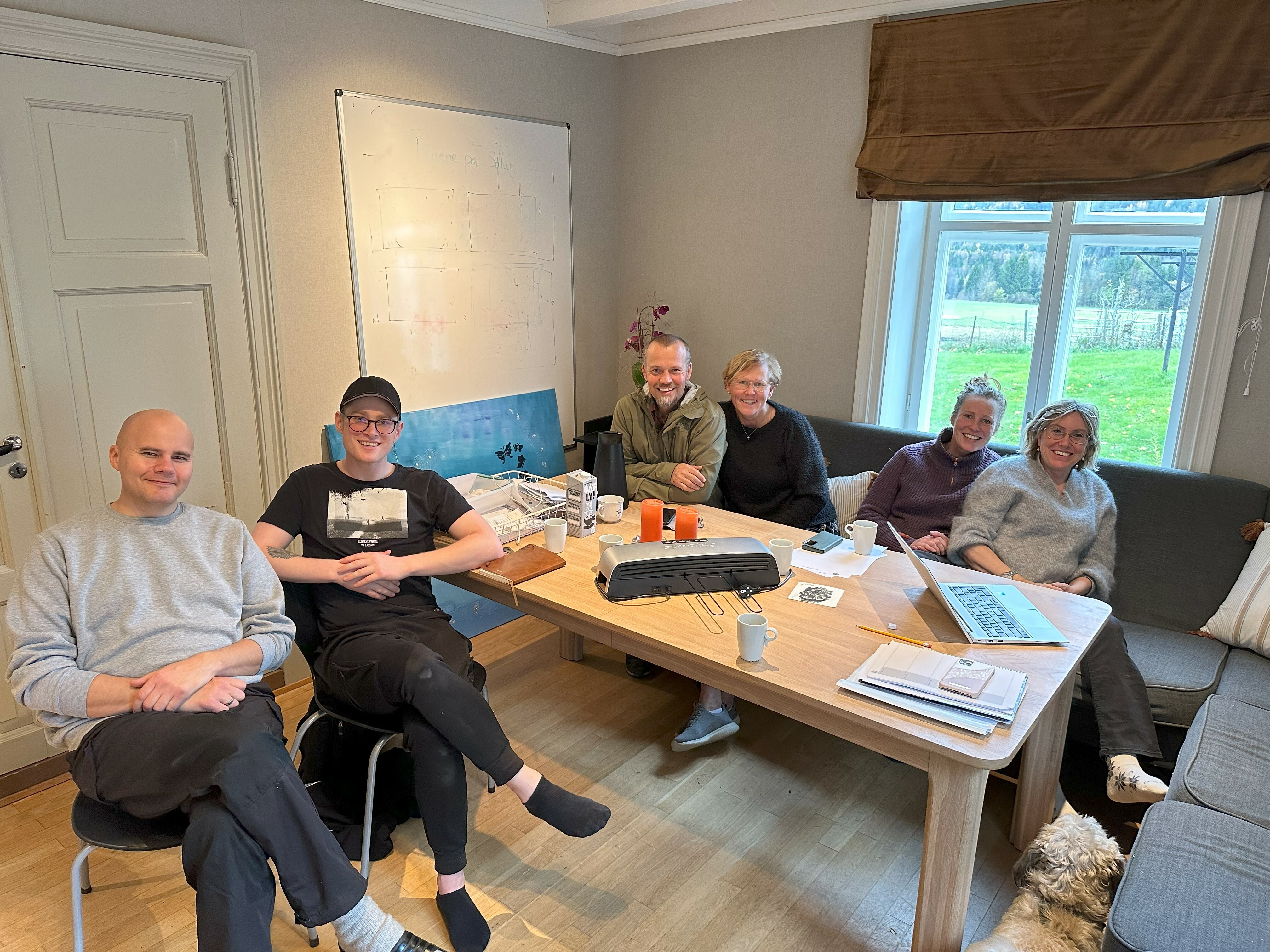
OVF owns 270 vicarages and has plans for more school farms on its properties. The foundation wishes to guarantee the long-term sustainability of the school farms, ensuring stability and predictability, and will serve as a facilitator and enabler. The fact that school farms produce positive results is well documented.